
Why not View Transitions
Where the browser's View Transition API stops and SSGOI's presets begin.
Same-document document.startViewTransition() is available across current browsers, so this is not a support argument. SSGOI picks a different control model: it animates the live pages instead of snapshots of them. Current platform support
What a preset packages
Each of these needs geometry, temporary layers and the leaving page's real DOM — the parts an app would otherwise rebuild per effect.
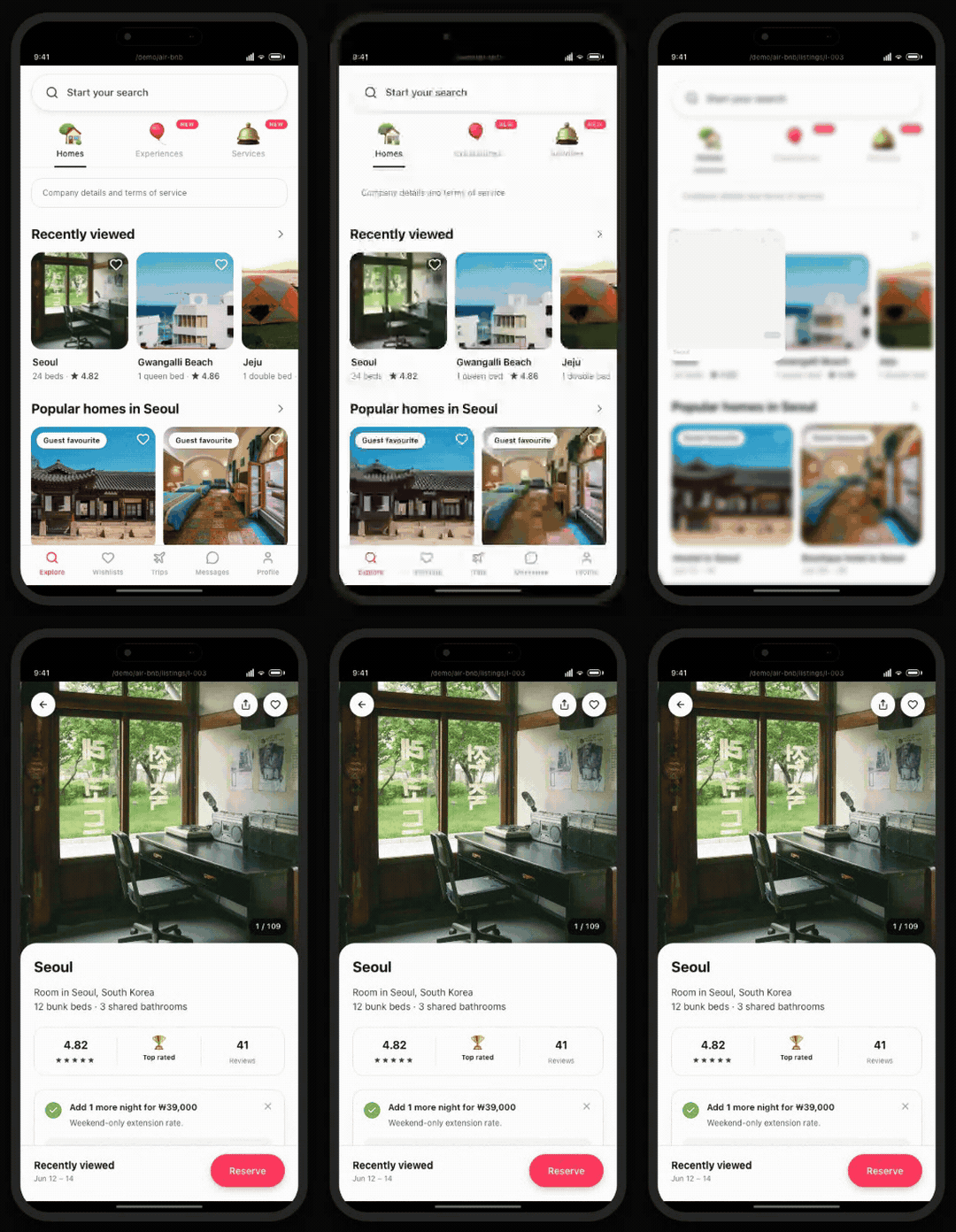
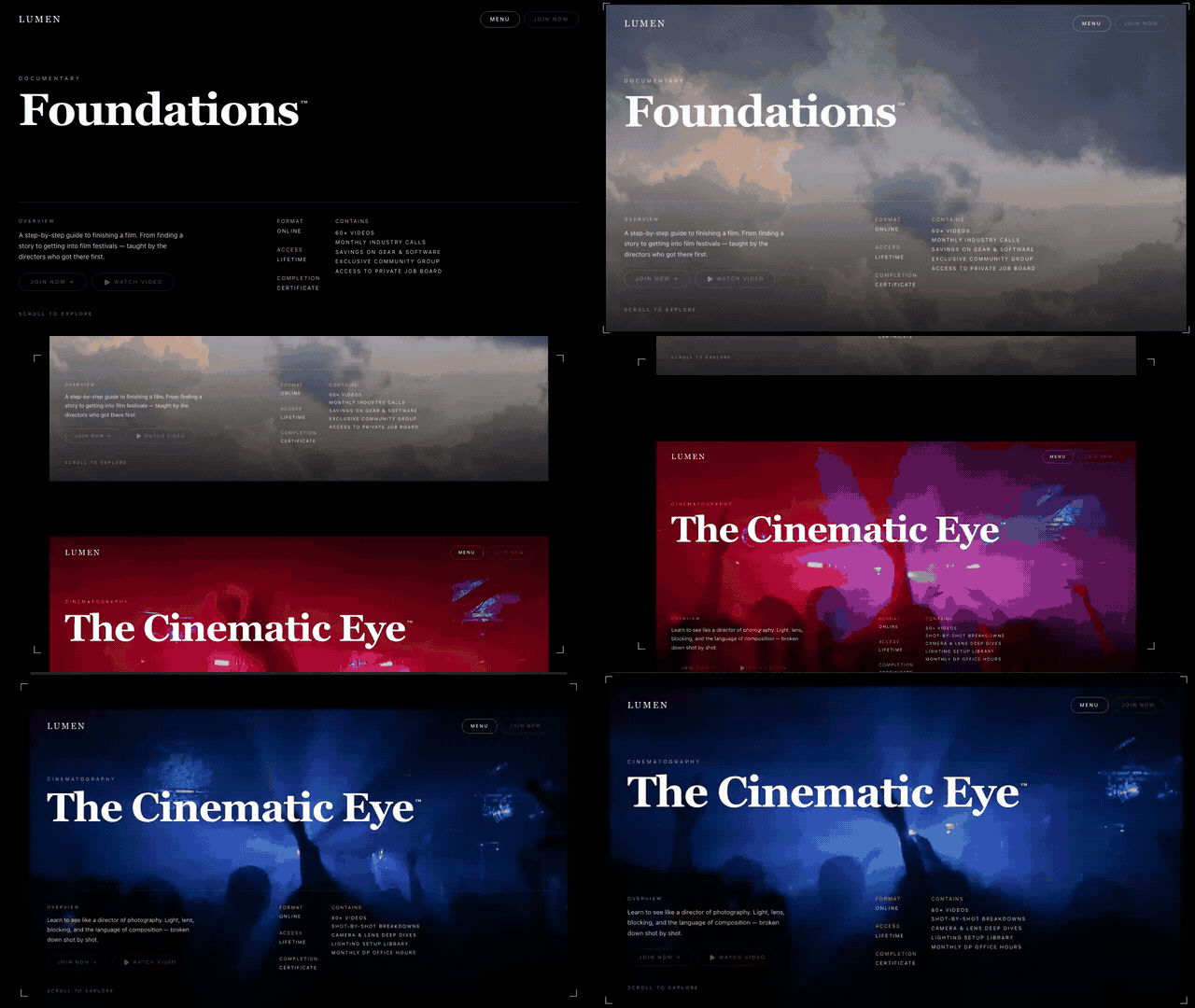
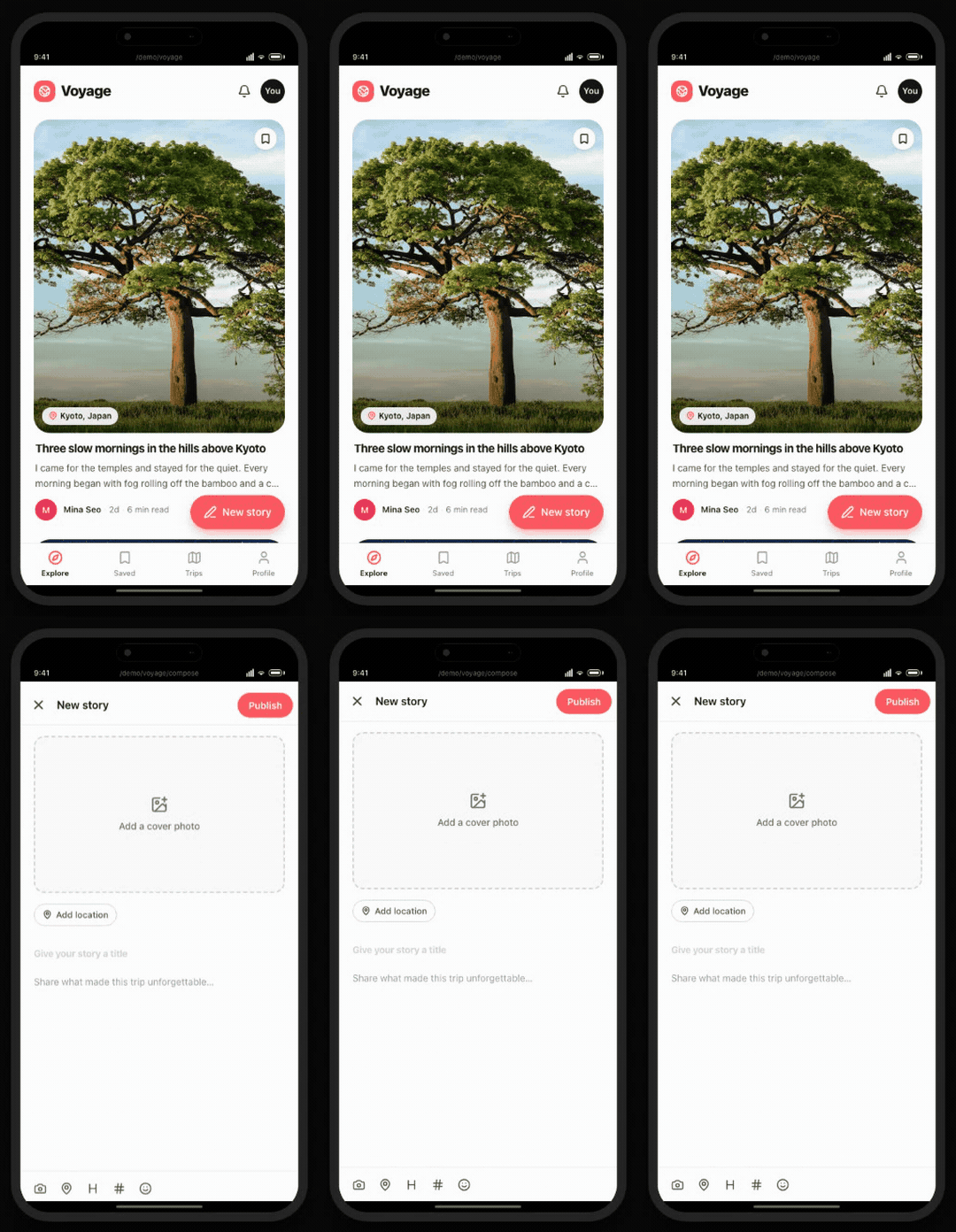
Snapshot tree, or live scene
Both can use the Web Animations API. What differs is the material the animation runs on.
View Transition API
::view-transition
└─ group
   └─ image-pair
      ├─ old snapshot
      └─ new snapshot

SSGOI
route boundary unmounts OUT ─┐
route boundary mounts IN ────┼─ preset measures + animates live DOM
temporary backdrop / pieces ─┘| Concern | View Transition API | SSGOI |
|---|---|---|
| What is animated | Old and new snapshots in a generated pseudo-element tree. | The real leaving and arriving DOM, plus layers a preset creates. |
| Animation control | CSS or Web Animations on the generated pseudo-elements. | Web Animations on live elements, driven by spring timelines. |
| Route meaning | The browser starts a transition; your code still decides what the navigation means. | on/except, from/to and ordered pick the preset and resolve direction. |
| Interruption | The running transition can be skipped; your code owns what replaces it. | A new navigation force-completes the previous run, removes the page it had reinserted, and starts the next one. |
| Layout ownership | Independent of framework mount and persistent-layout lifetime. | Boundaries state which routed region may leave, enter or stay mounted. |
| Reuse | Each app measures geometry and names its own snapshot groups. | A preset owns the measuring, scene setup, pairing and cleanup once. |
Choose by ownership
Use the native API when your app wants to name its own snapshot groups. Use SSGOI when the same interaction should be reusable across routes, routers and frameworks.
The full engineering account — geometry, live video, temporary DOM, blur layers and interruption — is in Why I didn't use the View Transition API.